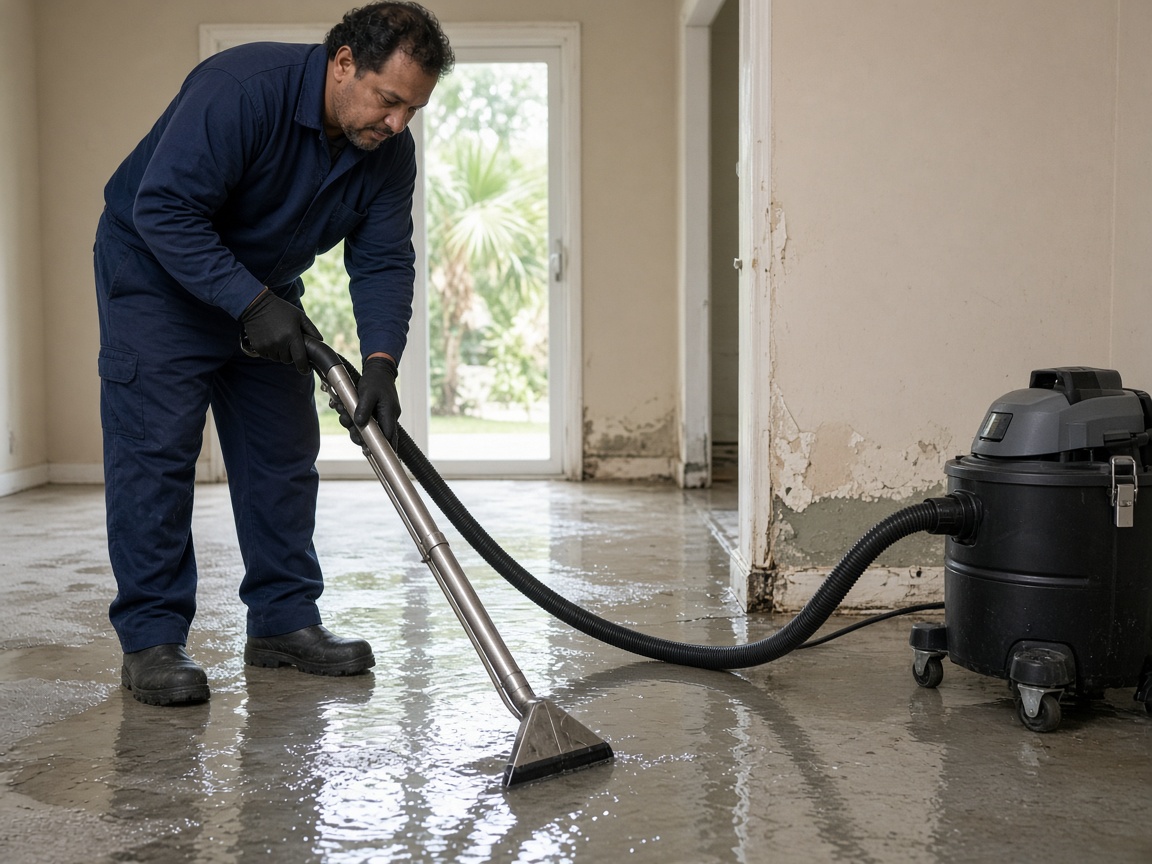
Houston's subtropical climate brings heavy summer rains and high humidity that keep moisture trapped inside walls and under floors long after the initial leak stops. Older homes in the Heights and Montrose often have plaster walls and pier-and-beam foundations where water travels unseen along joists, creating hidden mold colonies that standard fans cannot reach. Technicians must pull baseboards, create negative air paths, and run commercial dehumidifiers for days rather than hours to drop moisture readings below 15 percent before any rebuild begins.
River Oaks and Midtown properties frequently sit on clay soils that expand and contract with each storm cycle, shifting slabs and opening new entry points for water. When a ceiling leak appears near Downtown high-rises or older Midtown apartments, crews check both the unit above and the shared plumbing stacks because a single failed joint can affect multiple floors. Ignoring these connections leads to repeated callbacks once humidity spikes again.
Nearby cities such as Katy, Sugar Land and Pearland share the same bayou drainage issues that push water into crawl spaces during prolonged rains. Technicians working these areas carry extra moisture meters and air movers sized for the larger square footage typical of suburban homes, and they document every reading because insurance adjusters require proof that all affected materials have returned to pre-loss condition.
Hardwood floors in historic Heights houses cup or buckle within 48 hours if not addressed immediately. Crews remove only the damaged boards, install temporary barriers to contain dust, and match original species and finishes so the repair blends without full room replacement. This targeted approach keeps costs down while preventing the widespread warping that forces complete floor removal later.
Technician insight
In Houston the thing that catches most people out with Water Damage Restoration Near Me is how the clay soils around the Heights and Montrose shift after every heavy rain, letting water back under pier-and-beam floors weeks later if the initial drying did not include the crawl space.
Ceiling leak in Montrose bungalow
Water from a roof valley entered an upstairs bathroom and traveled along joists into the living room ceiling. Meters showed elevated moisture in plaster and insulation across eight feet. Crews opened the ceiling, extracted water, ran drying equipment for four days and replaced only the affected plaster and insulation before repainting.
Water Damage Restoration near Me Services We Offer
✓Emergency Water Extraction
Rapid removal of standing water from kitchens, bathrooms and living areas using truck-mounted pumps to stop further migration into subfloors.
✓Structural Drying Services
Placement of commercial air movers and dehumidifiers in walls, ceilings and crawl spaces until moisture meters confirm safe levels.
✓Mold Prevention After Leaks
Application of antimicrobial treatments and HEPA filtration following extraction to reduce spore growth in humid Houston conditions.
✓Hardwood Floor Restoration
Selective board removal, drying beneath the surface and refinishing to match original species found in Heights and Montrose homes.
✓Drywall and Insulation Replacement
Cutting out saturated sections, installing new moisture-resistant board and reinsulating cavities in older pier-and-beam houses.
Water Damage Restoration near Me Cost in Houston, TX
| Service | Typical Range | What Affects It |
|---|---|---|
| Water extraction per room | $400–$900 | Higher when water reaches subfloor or multiple rooms |
| Full structural drying package | $800–$2,200 | Varies with number of days equipment must run |
| Drywall and insulation replacement | $1.50–$3.50 per sq ft | Includes removal of damaged sections only |
| Hardwood floor repair section | $600–$1,800 | Depends on species match and square footage |
Ranges are typical for Houston, TX and confirmed with an exact written quote before any work starts.
How it works
- 1
On-Site Assessment
Technician arrives, locates all affected materials with moisture meters and documents readings for insurance.
- 2
Water Removal
Extract standing water and pull saturated carpet pads or baseboards to prevent hidden growth.
- 3
Drying And Monitoring
Set up drying equipment and return daily to check progress until readings reach pre-loss levels.
- 4
Repairs And Restoration
Replace drywall, refinish floors or rebuild affected areas once the structure is dry.
Pricing
Cost depends on square footage affected, depth of water intrusion and whether hidden cavities require opening.